
Window Tinting.
40 Years of Precision.
A second-generation family shop that has cut film since Seoul 1985. Every cut computerized. Every edge flawless. Every film earns its place.
See My Car's Price→Two Houses.
One Standard.
Forty years of testing. Two manufacturers that earn a spot on every install we do. Everything else gets cut from the lineup.
Handpicked.
Not Mass-Market.
We tested dozens of films over 40 years and narrowed it to four primary tiers. Each earns its spot on performance, longevity, and optical clarity. Click any card for full specs, warranty, and technology.
Prices vary by vehicle size. Get your instant quote →
Pick a Shade.
See It First.
Click any window, tap a VLT preset, and the shade paints on. Swap the angle with the arrows to check how it reads from front, side, or rear.
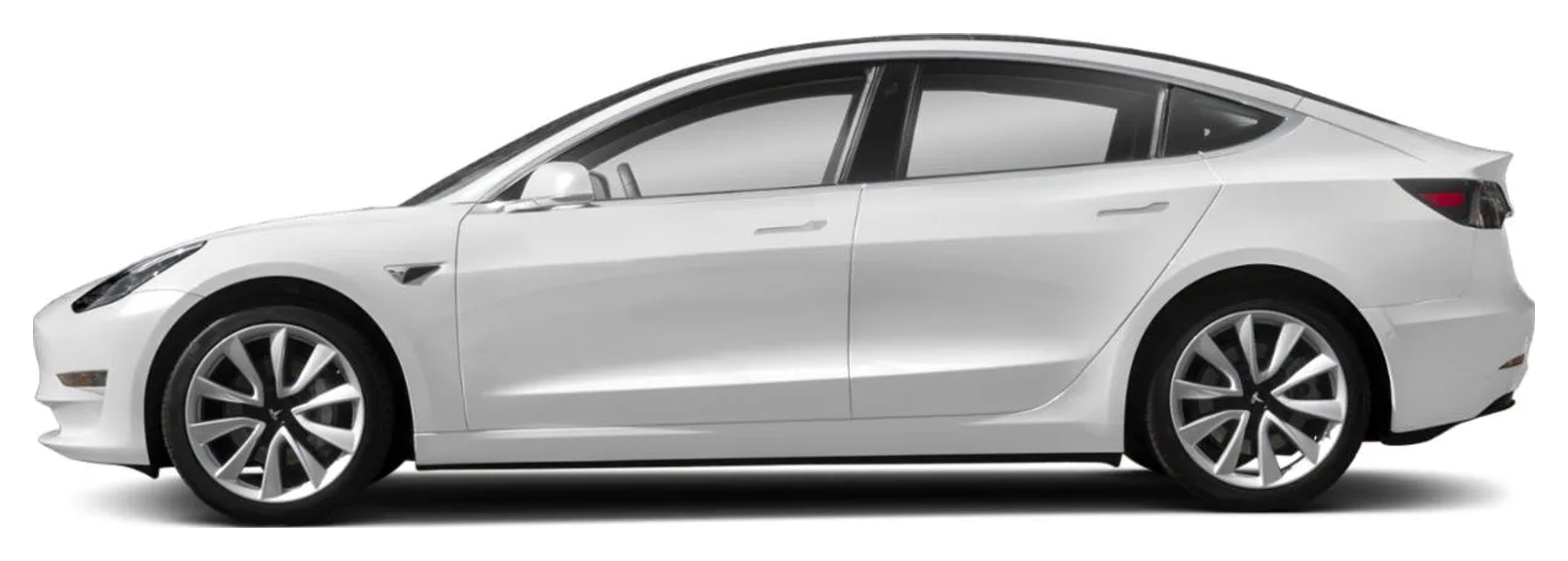


Reference only. Simulated shades are approximations — actual finish varies with factory glass tint, curvature, lighting, and film tier. Swing by the shop and we'll hold a sample up to your glass.
Curious about California tint law? Read the full guide →
Know your film tier?
Get a price for your vehicle in 60 seconds.
Five Ways to Tint a Car.
Find yours.
Every car is different. Pick the coverage that fits your vehicle — most go all sides + back, but you can also do just the front two, add the windshield, or any combination.
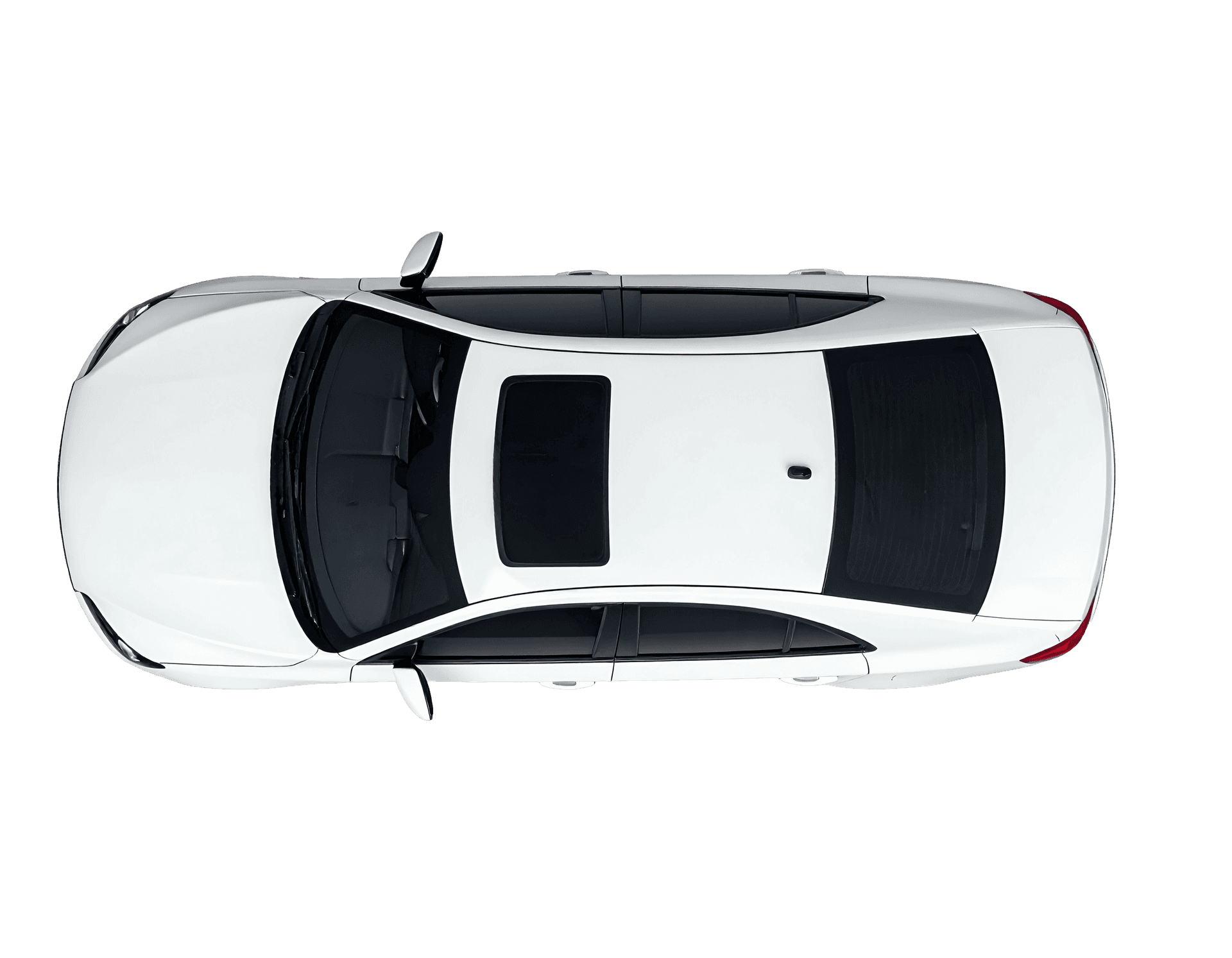
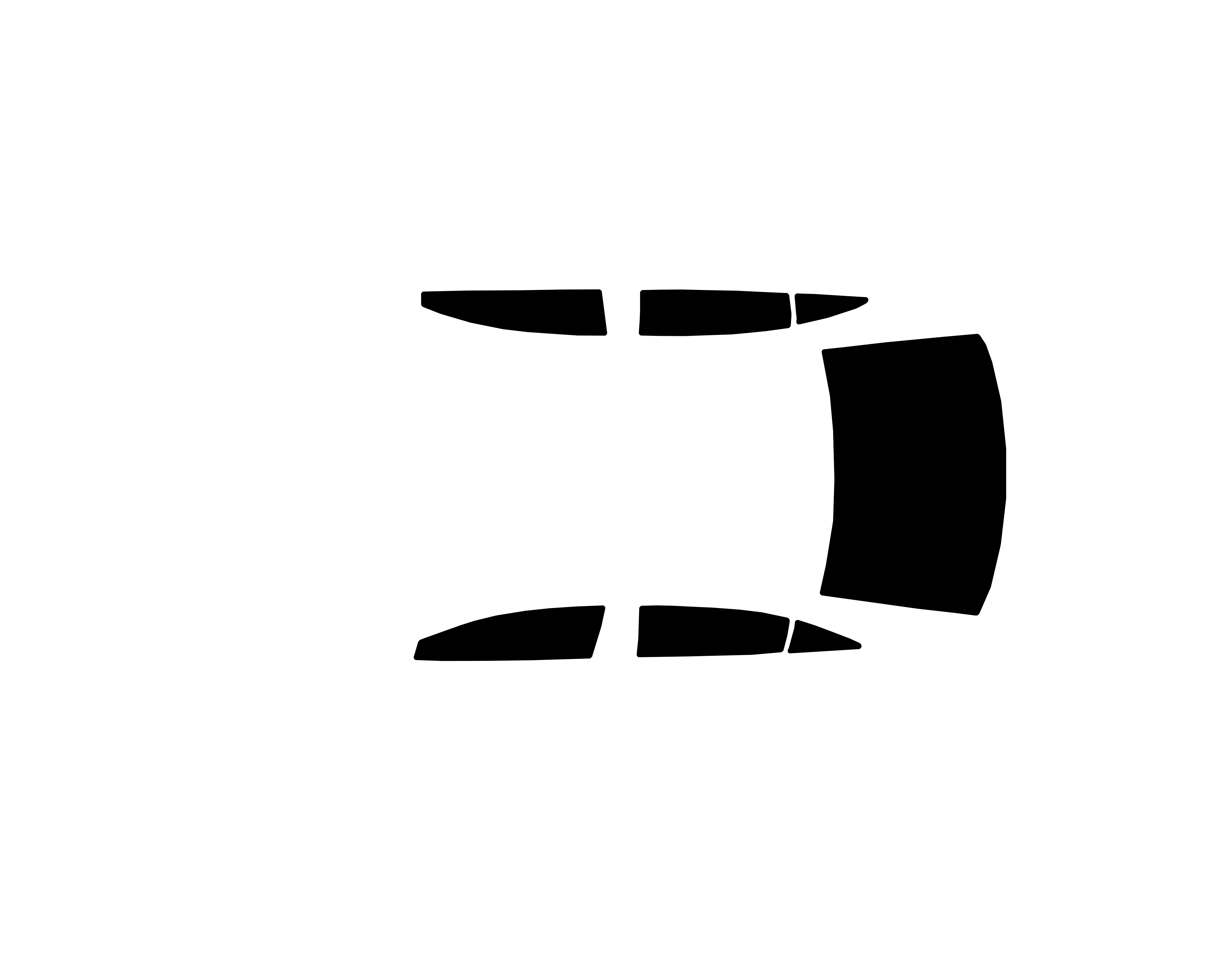
All Sides + Back
Standard full install for sedans and coupes — every side window plus the rear glass.
- All 4 side windows (front + rear doors)
- Rear windshield included
- Full privacy coverage
- Maximum heat rejection throughout

Two Front Doors
Match factory-dark rear glass on SUVs and trucks — just the two front doors.
- Driver + front passenger windows
- Blends with factory privacy glass
- Most popular SUV / truck install
- CA legal options available

Front Windshield
Block UV and infrared heat up front. Film below the AS-1 line is not CA-legal — installed only at your request.
- Near-clear ceramic film
- Blocks 86–88% infrared heat
- Rain sensor & ADAS camera safe
- Zero visible darkening

Visor Strip
Classic sun-visor strip — shade at eye level, always within CA legal limits.
- Top 4–5 inches of windshield only
- Always CA legal — no VLT limit
- Reduces sunrise / sunset glare

Sunroof / Moonroof
Tame the heat and glare coming straight through the roof glass.
- Any size sunroof or panoramic roof
- Cuts cabin temperature overhead
- Darkens overhead without blocking side views
- Price varies by glass size
Only Two Films
Touch the Windshield.
The windshield sits in your field of vision and cannot interfere with rain sensors or ADAS cameras. Two films only: one near-clear, one charcoal-tinted.
California Windshield Law
Windshield film is compliant only above the AS-1 line (visor strip). Full-windshield installs — AIR 80 or IRX 50 — are popular but not CA-compliant. Installed only with the driver's informed consent.
Computerized.
Zero Blades on Glass.
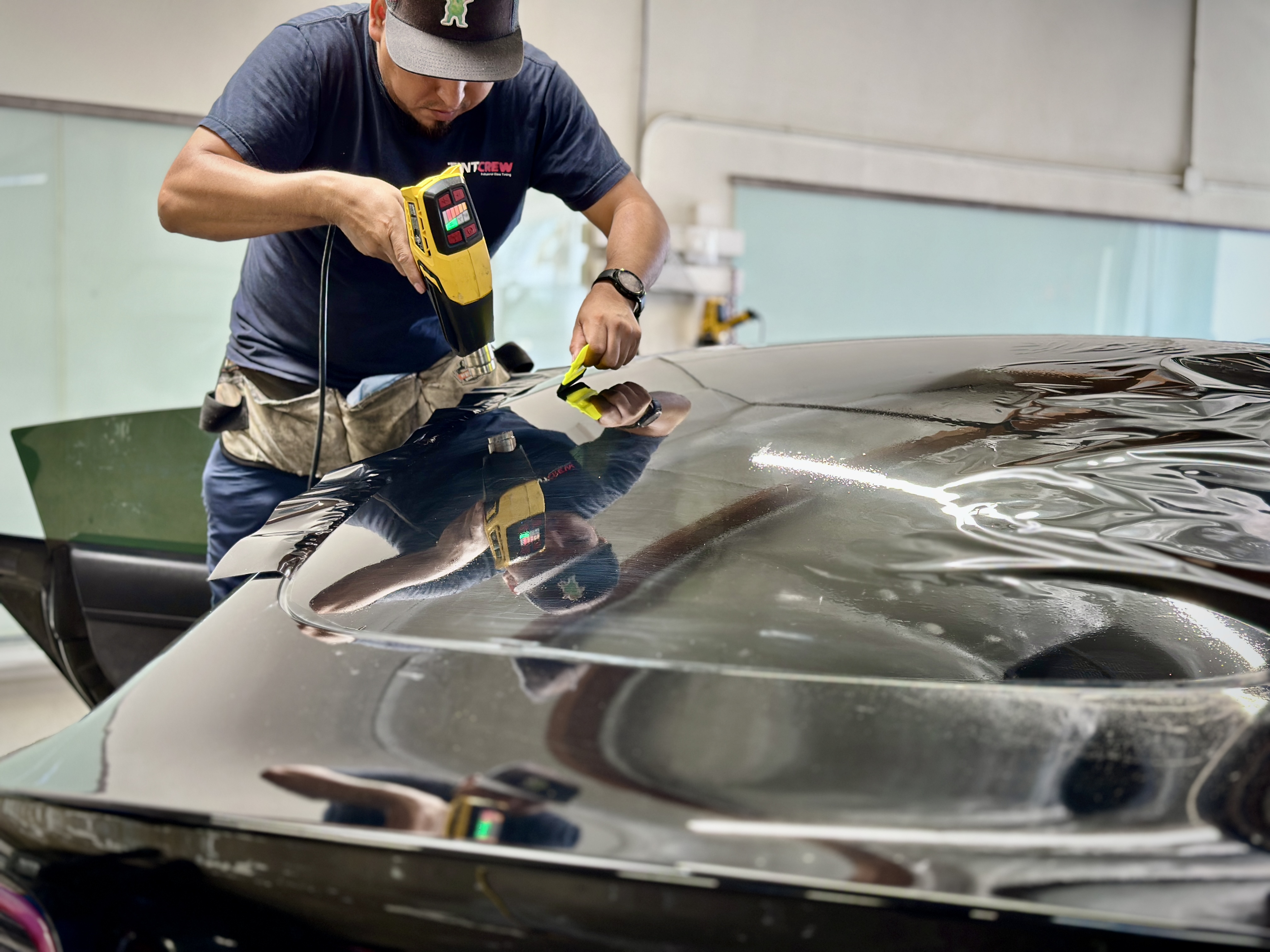
Every window film is precision-cut by a computerized plotter using CORE Software before it ever touches your vehicle. No hand-cutting on glass means zero risk of scratches, nicks, or blade marks on your windows.
CORE Software Pattern
Your vehicle's exact window geometry loads from a database of 10,000+ templates — OEM-correct down to the curve.
Precision Plotter Cut
Film cut on a flat table by an automated plotter. Sub-millimeter edge accuracy. No freehand cuts on your glass.
Minimum Blade Usage
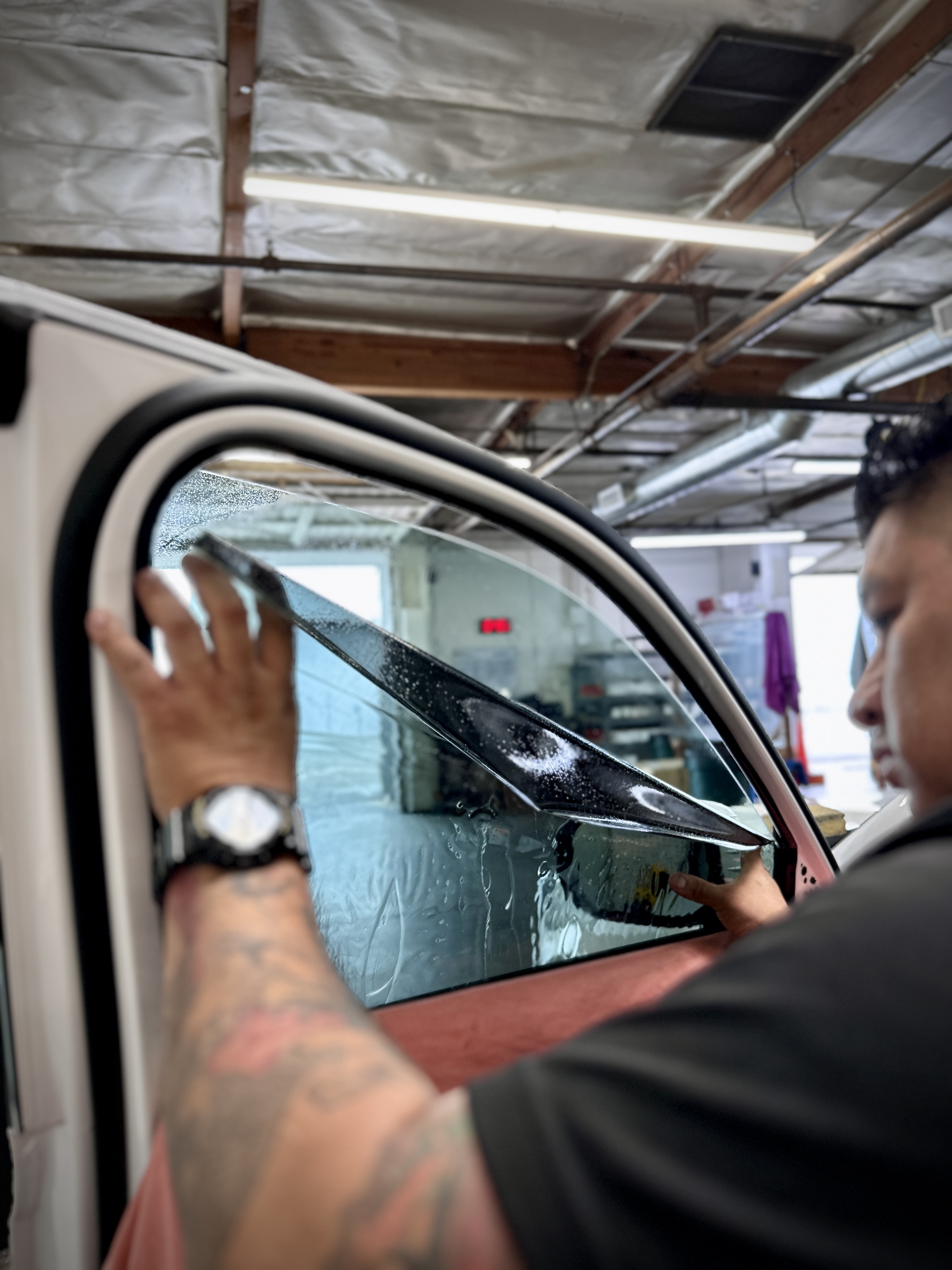
When trimming is unavoidable (defroster edges, rare vehicles), we trim on film-safe surfaces — never on glass. Zero scratches, ever.
Clean Edge, Every Time
Edges sit 1mm inside the rubber gasket line — tight enough to look OEM, generous enough to prevent lift during the 48hr cure.
CORE · The Industry Standard
CORE isn't just one plotter option — it's the pattern software serious tint shops run. 10,000+ vehicle templates, updated as automakers release new glass geometries, cut to sub-millimeter tolerance. When we say “computer-cut,” we're naming the platform that sets the bar.

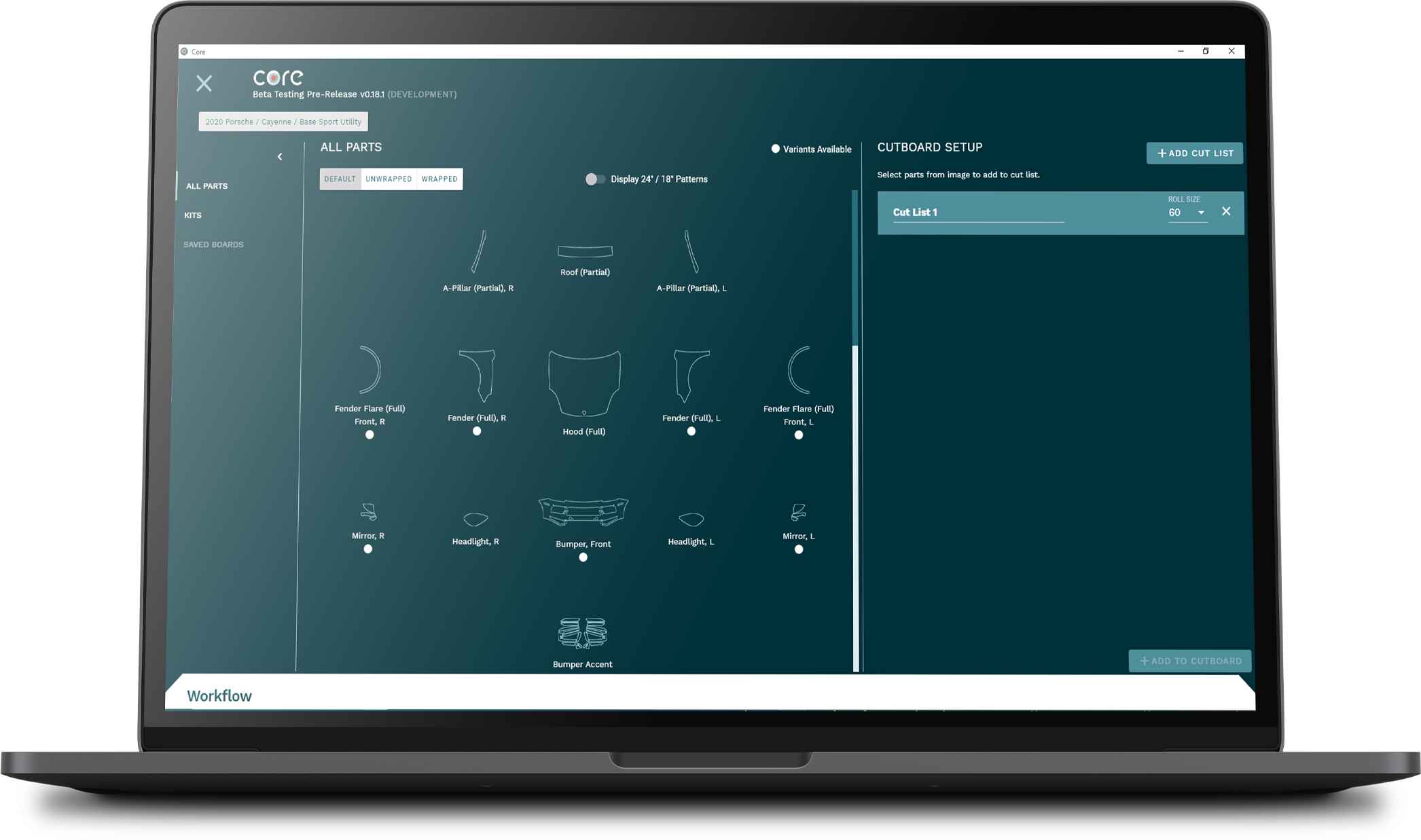
CORE · Eastman Performance Films
Computer-Cut · Every Vehicle
The Physics
of Staying Cool.
Most shops sell tint by darkness. We sell it by what's actually happening inside your car. Three different wavelengths of light hit your glass every day — and knowing the difference is the difference between a film that works and one that just looks dark.
Peak IR rejection · IRX
UV blocked · every film
Of solar heat is IR
Solar Spectrum
What Actually Hits Your Car.
100–400 nm · ~3% of solar energy
Skin damage. Fades interior. Cracks leather.
400–780 nm · ~44% of solar energy
What your eyes see. What VLT% measures.
780–2500 nm · ~53% of solar energy
Pure heat. What ceramic films target.
VLT only measures visible light. Two films with the same VLT can have wildly different IR rejection. This is why a light IRX ceramic feels cooler than a darker carbon film — per Llumar's published data, IRX blocks up to 88% of directly-transmitted infrared (780–2500nm SIRR).
Darker ≠ Cooler.
Heat comes from infrared light, not visible. A pitch-black 5% carbon film can block less IR heat than a lighter IRX ceramic — because IRX targets the 780–2500nm infrared band directly. Per Llumar's published data, IRX reaches up to 88% SIRR while CTX sits around 66–72%. Darkness is aesthetic; IR rejection is physics.
What Makes A Film "Ceramic"?
Nano-scale ceramic particles (nitrides, oxides) embedded in PET layers. Ceramic is non-metallic — so it doesn't block GPS, Bluetooth, cellular, radar cruise, or Autopilot. It's also optically stable: no purpling, no fading, no heat build-up from absorption. It's the only material that rejects heat without the trade-offs of metallic or dyed tint.
Privacy ≠ UV Protection.
A tint that's visually dark doesn't automatically block UV. UV rejection is a separate engineering layer — UV-absorbing additives in the adhesive. Every film we install (even the clearest AIR 80) blocks 99% of UV rays. Your skin is protected whether the tint looks 5% or 80%.
Still deciding between near-clear AIR 80 and a darker ceramic like IRX 50 for your windshield?
Drop the specs below and we'll price both so you can compare.
Drive a Tesla?
Tesla Glass.
Our Specialty.
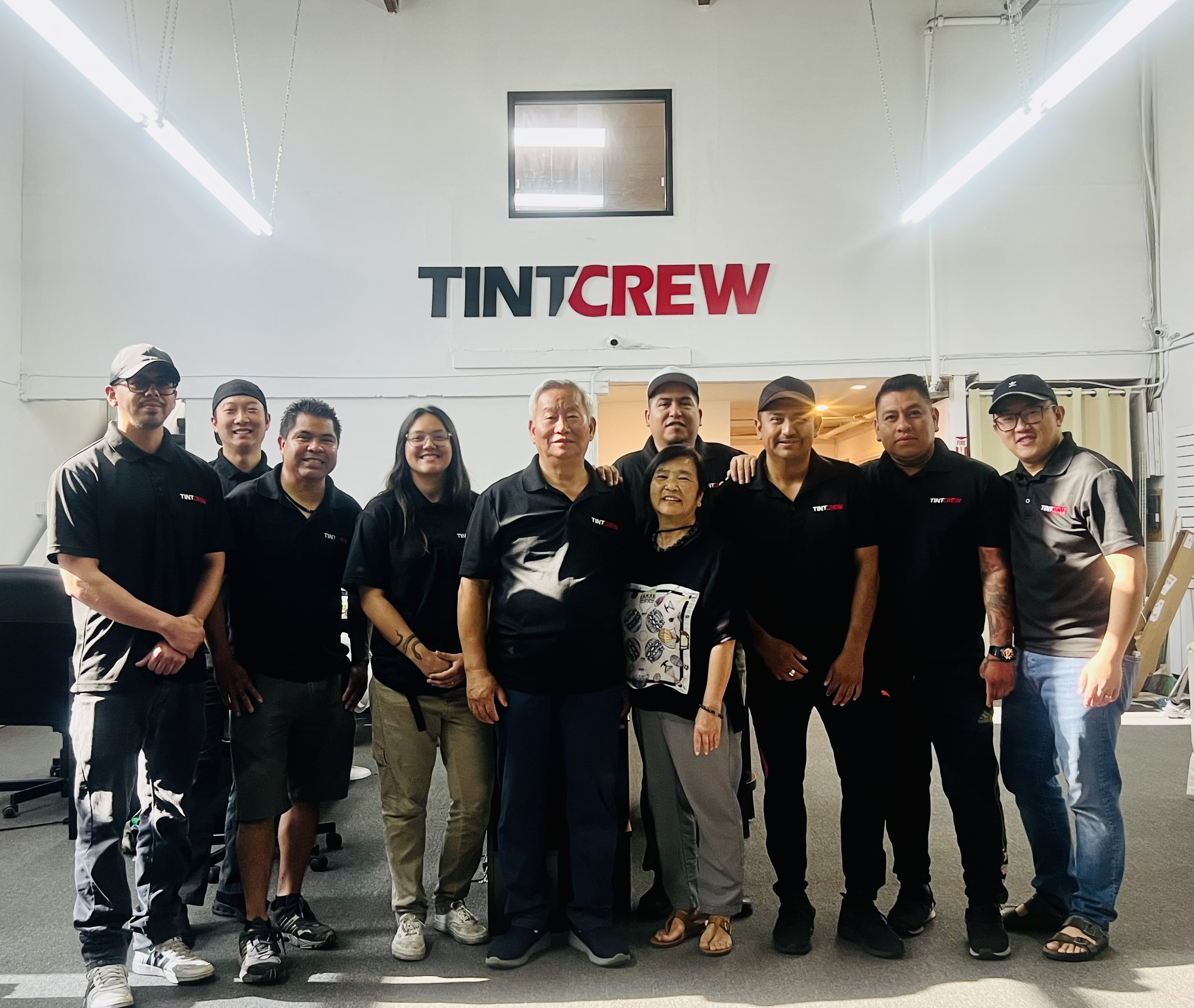
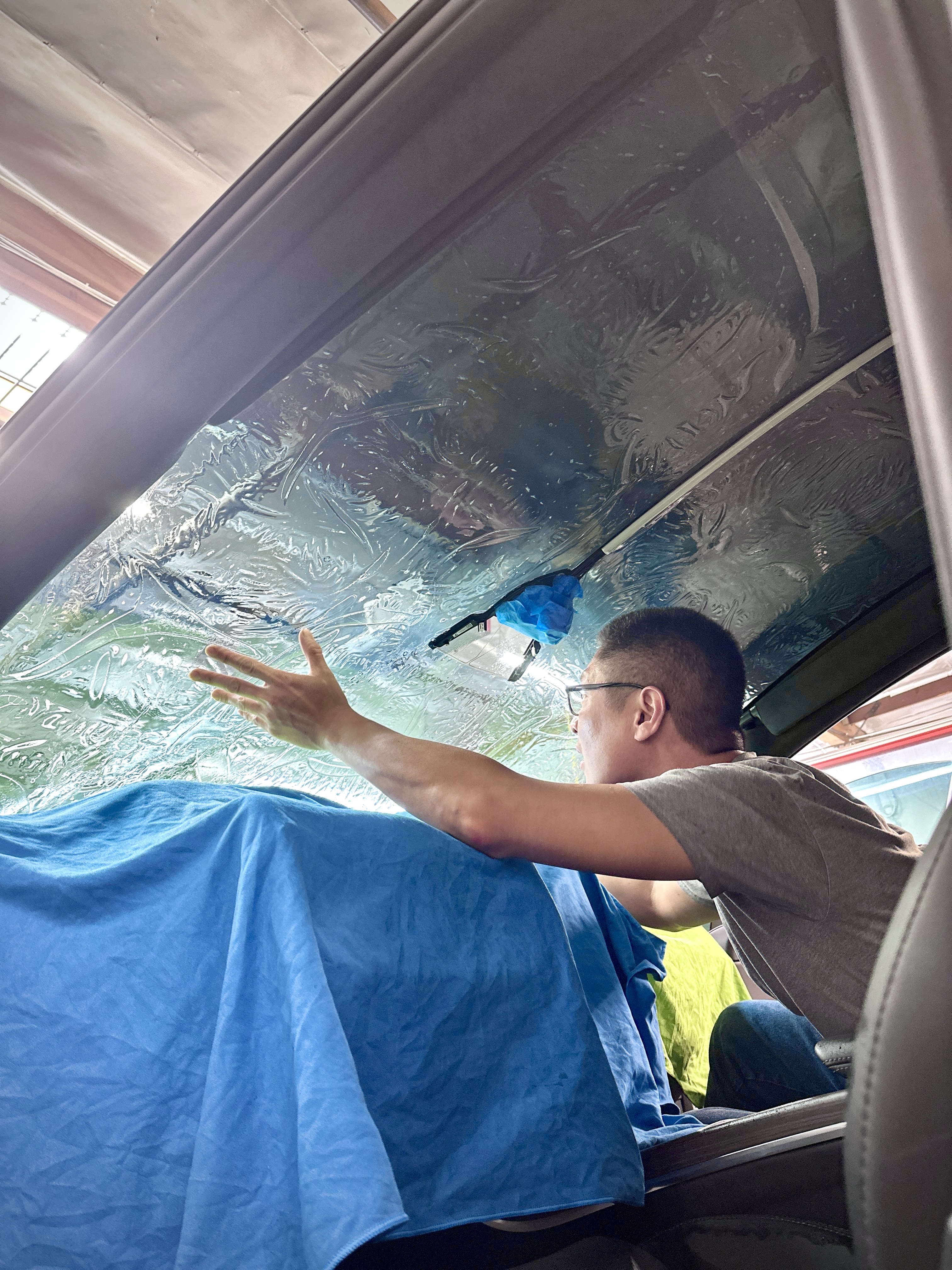
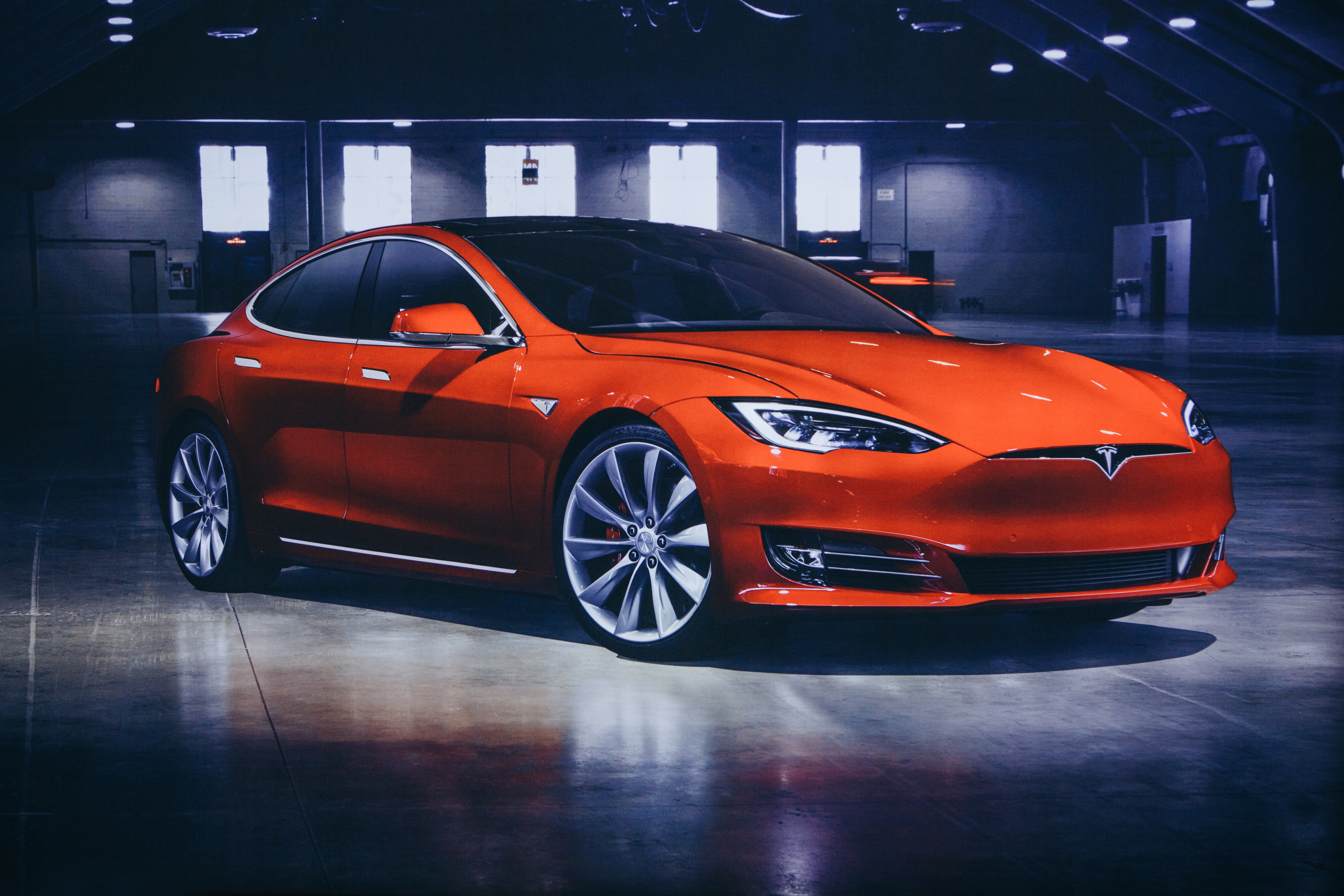
Panoramic roofs, full windshields, Cybertruck stainless glass — the big pieces are where installs fail. Tint Crew has cut more Tesla glass than most dealers have Teslas parked in the lot.
Llumar: US Standards
Tesla's app offers XPEL as a default option; we install Llumar IRX. Llumar publishes performance data to US test standards — the same methodology 3M has used for 40 years. Different brands test against different standards, so we quote the numbers measured the way a US install actually performs.
Beats Tesla App Pricing
Tesla's in-app tint and PPF packages are convenience-priced. Our quotes come in meaningfully lower on the same coverage — every film, every model.
Specialty: Big Glass
Model 3's rear windshield. Model Y's glass roof. Model X and Cybertruck front windshields. Each Tesla has one enormous pane that's make-or-break — tricky heat-shrink, zero margin for dust. We install them weekly.
Window Tint FAQ
Before You Book.
California requires front side windows at 70% VLT or higher. Rear side and rear windshields can be any darkness. Windshield tint is legal only above the AS-1 line (~4–5 inches from the top). We'll advise compliant options for your vehicle before cutting.
Most full tint installs run 2–3 hours regardless of vehicle size. A windshield adds about 1 to 1.5 hours. Some cars take noticeably longer because of glass shape or interior trim, so dropping the car off is the safest option. Call us directly if you need a firm pickup time.
When you arrive for your appointment, we walk you through film options, shade, and pricing — no decision needed until you've seen everything. Once you pick, you can wait in our lounge (Wi-Fi and coffee) or drop the keys and come back later. We do a glass inspection with you before install, and the bays are on security camera, so the condition of your car is on record from start to finish. Every film is computer-cut, never freehand on your glass. Same-day pickup, with a printed warranty card and the exact film batch numbers logged on file.
Regular (dyed/carbon) tint blocks light but lets heat through. Ceramic-class films (Phantom S5 nano-carbon, CTX nano-ceramic, IRX IR-selective ceramic) reject roughly 50–88% of infrared — IRX reaches up to 88% SIRR per Llumar's published data — while staying color-stable. Ceramic costs more but won't fade or turn purple.
Wait 48 hours (72 hours in cool or humid weather). The adhesive needs time to cure and moisture to evaporate. Rolling down early is the #1 cause of edge-lift and the most common voided-warranty claim we see.
Right away. The film sits on the inside of the glass, so exterior washing — touchless, hand wash, or automatic — doesn't affect it. The only thing to hold off on is cleaning the interior glass: leave that alone for the first 1–2 weeks while the film cures.
No — small moisture bubbles are normal during the 1–3 week cure. They evaporate on their own. If bubbles are still there after 3 weeks, bring the car back in for a free warranty inspection.
No ammonia-based cleaners (including most blue glass cleaners) — ammonia attacks the film's dye layer and adhesive. Use a mild soap-and-water mix or an ammonia-free automotive glass cleaner. Also avoid suction-cup phone mounts, dashcams, and toll transponders on tinted side glass — they lift the film and void the warranty at that spot. Stick them on the windshield or dash instead.
No — both Llumar and Rayno manufacturer warranties stay with the original purchaser, not the VIN. Coverage doesn't automatically transfer when the vehicle is sold. Tint Crew's 40-year operating history backs every claim for the original owner.
Get Your Exact Price.
Select your vehicle below. Prices calculated instantly based on your car's window size — no waiting, no callbacks.